
Espresso
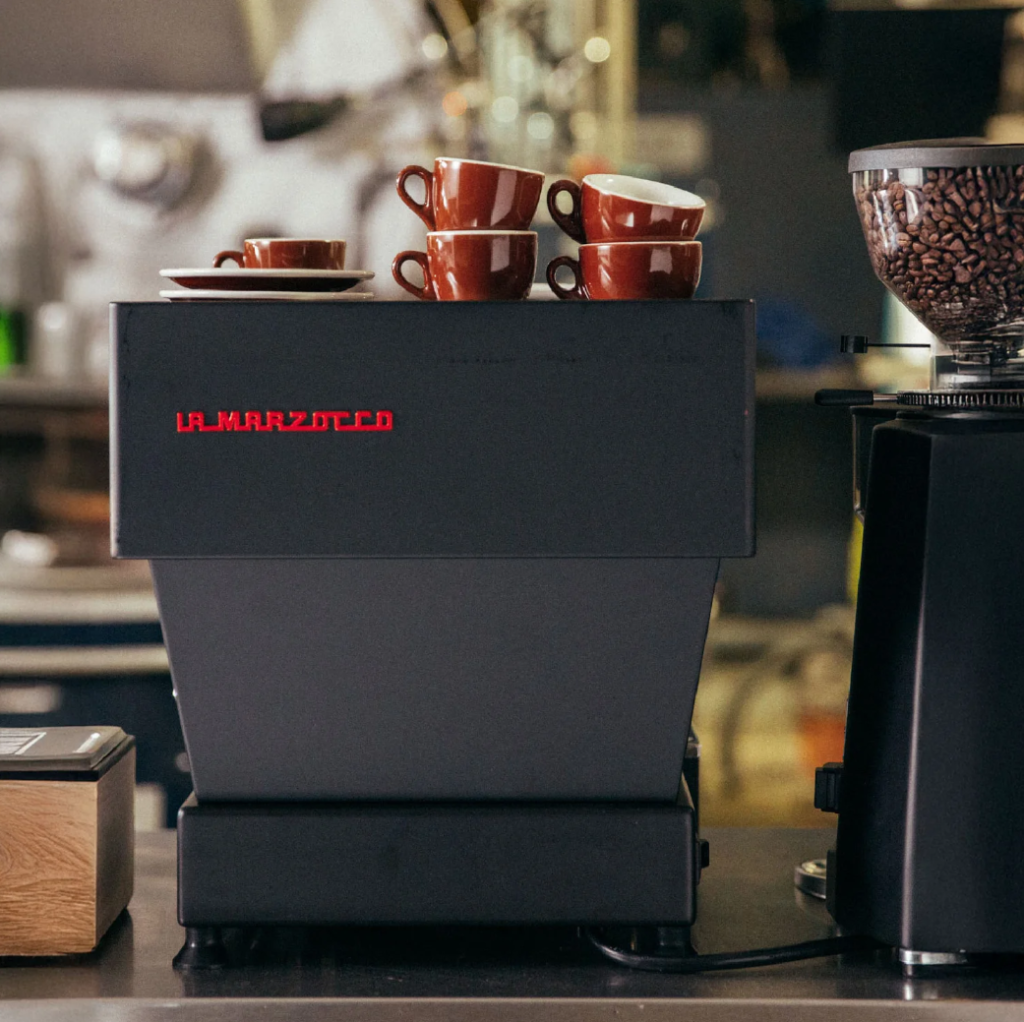
Espresso Brewing Guide – 7 Easy Steps to Brew Better Espresso
This Espresso Brewing Guide is designed to help coffee enthusiasts, home brewers, and aspiring baristas brew café-quality espresso with consistency and confidence. Espresso is one of the most popular brewing methods in the world and serves as the foundation for beverages such as lattes, cappuccinos, flat whites, cortados, and americanos.
A properly brewed espresso delivers a rich body, balanced sweetness, pleasant acidity, and a velvety crema. By understanding espresso ratios, grind size, extraction time, and brewing temperature, you can unlock the full flavor potential of your coffee beans and create exceptional coffee experiences at home.
What is Espresso Coffee?
Espresso coffee is a concentrated brewing method that uses finely ground coffee and pressurized hot water to extract intense flavors within a short period of time. Unlike filter coffee, espresso is brewed under pressure, typically around 9 bars, producing a small but highly concentrated beverage.
Espresso is appreciated for its complexity, body, sweetness, and crema. It can be enjoyed on its own or used as the base for milk-based drinks. Understanding how espresso extraction works is one of the most important skills in specialty coffee brewing.
Recommended Equipment for Espresso Brewing
- Digital Scale with high precision
- High-Quality Burr Grinder
- WDT Tool or Distribution Tool
- Espresso Tamper
- Temperature-Stable Espresso Machine
- Shot Timer
- Freshly Roasted Specialty Coffee Beans
Espresso Brewing Recipe
18g
32–38g
1:1.7 – 1:2.2
91–93°C
24–30 sec
Fine
Understanding Espresso Ratios
1:1.7 Ratio produces a heavier body, stronger mouthfeel, and works exceptionally well for milk-based beverages such as cappuccinos and lattes.
1:2 to 1:2.2 Ratio creates a more balanced espresso with enhanced sweetness, clarity, and smoother flavor characteristics.
How to Brew Espresso
- Prepare the Portafilter
Remove and thoroughly dry the portafilter basket. - Grind and Dose
Grind fresh coffee beans and dose 18g directly into the basket. - Distribute Evenly
Use a WDT or distribution tool to ensure even distribution. - Tamp Properly
Apply firm and level pressure while tamping. - Flush the Group Head
Briefly flush the group head before brewing. - Start Extraction
Lock in the portafilter and begin extraction immediately. - Monitor Yield
Stop extraction when reaching 32–38g within 24–30 seconds.
Why Espresso Brewing Matters
Mastering espresso brewing is one of the most valuable skills in coffee preparation. Small changes to grind size, dose, yield, or extraction time can dramatically affect the flavor of the final cup.
Learning how to properly dial in espresso allows you to consistently produce balanced coffee while maximizing the flavor potential of specialty coffee beans.
Understanding Espresso Extraction
Espresso extraction is the process of dissolving flavor compounds from coffee grounds into liquid. The objective is to achieve a balanced extraction where sweetness, acidity, body, and aroma complement one another.
Under-extracted espresso often tastes sour, sharp, and thin. Over-extracted espresso may taste bitter, harsh, and drying. A well-extracted espresso delivers sweetness, complexity, body, and a clean finish.
Common Espresso Problems & Solutions
| Problem | Cause | Solution |
|---|---|---|
| Sour Espresso | Under Extraction | Grind finer or increase extraction time |
| Bitter Espresso | Over Extraction | Grind coarser or shorten extraction |
| Weak Espresso | Low Dose | Increase coffee dose |
| Fast Shot | Grind Too Coarse | Adjust grinder finer |
| Slow Shot | Grind Too Fine | Adjust grinder coarser |
Espresso Brewing Tips
- Always use freshly roasted coffee beans.
- Use filtered water for improved flavor and machine longevity.
- Keep your grinder clean and calibrated.
- Record your brew parameters when dialing in coffee.
- Adjust only one variable at a time when troubleshooting.
Why Freshly Roasted Coffee Matters
Freshly roasted coffee is essential for producing exceptional espresso. As coffee ages, aromatic compounds gradually dissipate, reducing sweetness, complexity, and crema production.
Using freshly roasted specialty coffee beans helps create richer crema, improved sweetness, and more expressive flavor notes. At The ORE Coffee, we carefully roast our coffees to highlight the unique characteristics of each origin while maintaining balance and consistency.
Best Coffee Beans for Espresso
Espresso brewing performs exceptionally well with freshly roasted specialty coffee beans. Coffees featuring chocolate, caramel, nutty, berry, or fruit-forward notes can all create outstanding espresso experiences.
Explore The ORE Coffee’s selection of freshly roasted coffee beans and discover your ideal espresso profile.
Frequently Asked Questions
What is the best ratio for espresso?
A ratio between 1:1.7 and 1:2.2 is commonly used in specialty coffee.
What grind size should I use for espresso?
A fine grind size is generally recommended for espresso brewing.
Why is my espresso sour?
Sour espresso is usually under-extracted. Try grinding finer or increasing extraction time.
Why is my espresso bitter?
Bitter espresso is usually over-extracted. Try grinding coarser or shortening extraction time.
How long should espresso extraction take?
Most espresso recipes perform best between 24 and 30 seconds.
Can I use specialty coffee beans for espresso?
Yes. Specialty coffee beans are excellent for espresso and can highlight unique flavor characteristics depending on the origin and roast profile.
Learn more about specialty coffee through the Specialty Coffee Association and explore freshly roasted coffee beans available from The ORE Coffee.